
Vision Changes in Pregnancy & Nearsightedness in Children: What Matters
Written by: Dr. Twinkle Sehgal
Our sight is one of the most important senses of our body. As an optometrist, my job is to preserve and when possible, improve the vision of my patients. There are many factors that affect the quality of your vision and your glasses prescription (if you have one). Just like all our other body parts, our eyes change as we age. While that is certainly one of the biggest factors affecting the health of your eyes, there are countless others. My focus for this post is for our lovely moms!
Effects of pregnancy on vision
Any time our body goes through any hormonal changes, our eyes experience dryness. The elevated hormones during pregnancy and shortly after giving birth can reduce the amount of tears your eyes make and cause fluctuating vision. Your body also retains more fluid during this time and that can change the shape of your cornea, which can not only cause dryness but also change your glasses prescription. If you feel like your vision has changed during or after pregnancy, you are not alone! Seek care from an eye doctor for dry eye treatment if you catch yourself blinking more often to clear your vision or experience any burning, irritation, redness, grittiness, itchiness, or feeling like something is inside your eyes.
Near-sightedness in children
Fast forward a few years and let's shift the focus to your children. There is no minimum age for your child's eyes to be examined. If you notice an eye turn, squinting, excessive eye rubbing, redness, discharge, trouble with vision at school, please seek care from an eye doctor. Even if you have no concerns, I recommend a routine eye care visit to ensure everything is healthy. Your child's reality of normal vision may not be the same as your reality and children often do not know how to voice their concerns. To them, a blurry classroom is just how they have always seen the world and may not know any better.
The early developmental years of your child are some of the most important for their eyes. Get as much sunlight as possible! We recommend 2 hours daily whenever possible. Limit screen time to under 2 hours when possible. When children spend a lot of time focusing their eyes up close, it can cause near-sightedness to develop or worsen. We want their eye muscles to work and exercise as much as the rest of their body! Every 20 minutes, take a break from near work and focus on something in the distance. If your child does develop near-sightedness, there are many myopia control treatment options your doctor can discuss with you. I always encourage my patients and all parents to be proactive and ask as many questions they may have!
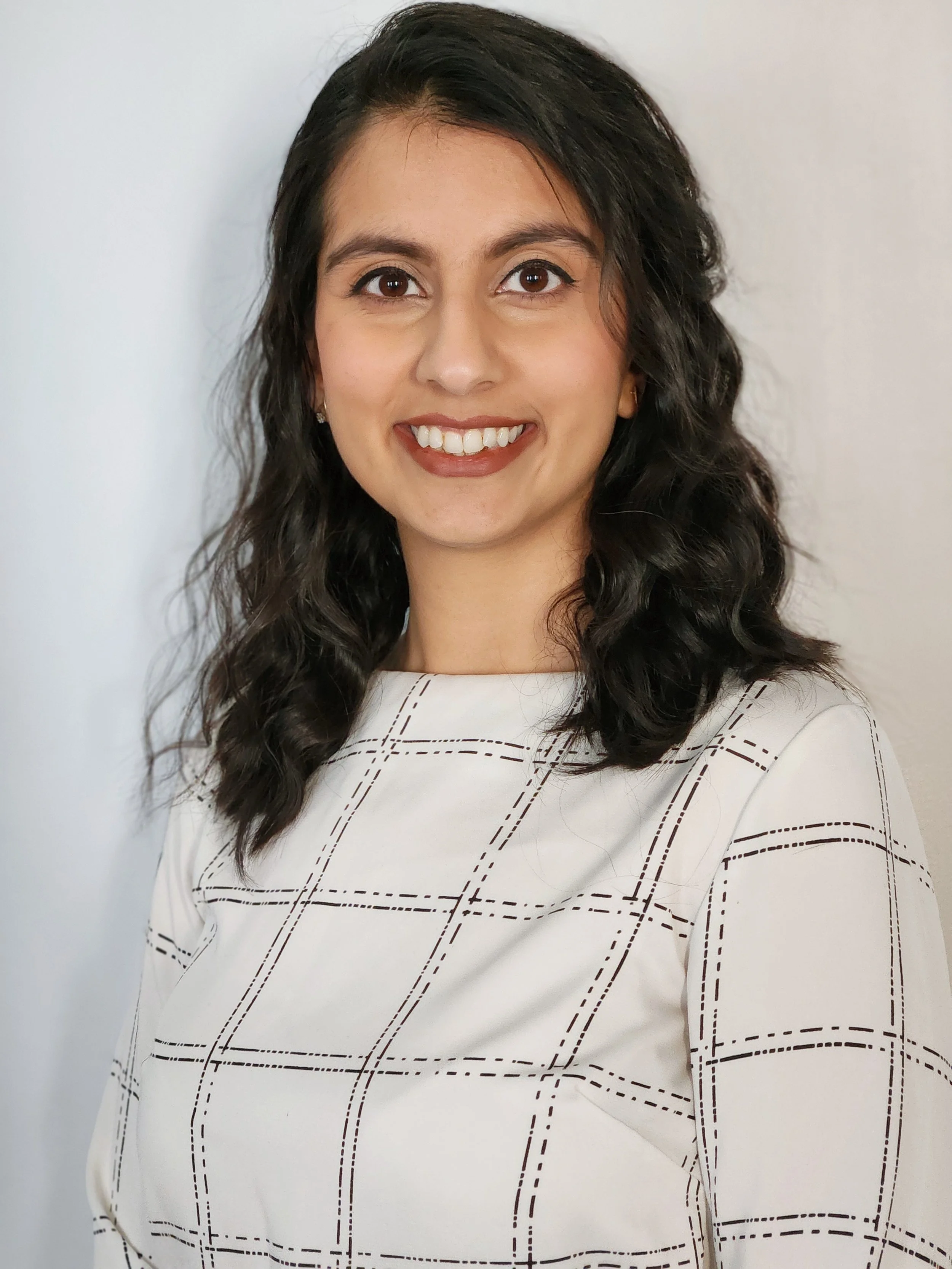
Dr. Twinkle Sehgal is your local, friendly optometrist currently practicing in Peabody, MA. She completed her doctorate at New England College of Optometry and takes special interest in myopia control for children, as well as treating dry eye disease in all age groups. In her free time, she loves to crochet and read her kindle!
Dr. Sehgal currently practices at Hamel Eye Associates in Peabody and would love to see you in clinic for an eye exam!
Feel free to call at 978-532-1022 to schedule an appointment.
