
Oral Health & Pregnancy
Written by: Dr. Marina Mooradian DMD
Dr. Marina Mooradian DMD is the owner of Great Marsh Pediatric Dentistry. She is a Pediatric dentist & IVF and rainbow baby mom.
Pregnancy is such a powerful, transformative season. As a pediatric dentist and a mom myself, I’ve walked alongside many families through big life changes. I’ve also personally experienced the joy, exhaustion, nausea, and countless body changes that come with carrying a baby. As your body shifts to nurture new life, caring for your oral health remains an important part of supporting both your well-being and your baby’s development.
Why Oral Health Matters in Pregnancy
Many moms are surprised by how much pregnancy can affect their oral health. If you’ve started to notice changes in your gums or teeth during pregnancy, please know that you’re not doing anything wrong. Your body is going through powerful hormonal shifts, and these natural changes can gently impact your oral health along the way.
During pregnancy, hormone levels increase significantly. These hormonal shifts affect how your gums respond to plaque and bacteria. At the same time, nausea, cravings, reflux, and fatigue can make your normal brushing and flossing routine harder to maintain.
Caring for your teeth during pregnancy is not only important for your own comfort and health, but also for your baby’s future well-being. Research shows that the bacteria responsible for cavities can be passed from mother to child through everyday contact. When a mother has untreated dental caries or poor oral health, the levels of decay-causing bacteria, such as Mutans streptococci, are higher, increasing the likelihood of early transmission to her infant.
The reassuring news is that addressing cavities, maintaining good oral hygiene, and receiving appropriate dental care during pregnancy can reduce these bacterial reservoirs and may help prevent or delay a baby’s exposure to bacteria that cause cavities.
Common Dental Issues During Pregnancy
1. Pregnancy Gingivitis
This is by far the most common issue soon-to-be mom’s see during pregnancy. The natural increase in progesterone and estrogen during pregnancy makes our gum tissue more sensitive to plaque, even if our routine hasn’t changed.
Inflammation of the gums during pregnancy, typically appears in the second trimester and peaks in the eighth month of pregnancy. Changes to your gum tissue are usually more noticeable around your front teeth, but can affect your whole mouth.
What it looks like:
Red, swollen gums
Bleeding when brushing or flossing
Tenderness along the gumline
What helps:
Brush gently twice a day with a soft-bristled toothbrush
Floss daily (even if your gums bleed)
Schedule a dental cleaning during pregnancy (yes, it’s safe!)
The good news: pregnancy gingivitis usually resolves after delivery, especially when you stay consistent with home care.
2. Increased Cavities
Pregnancy doesn’t directly cause cavities, but the circumstances around it can.
Why it happens:
More frequent snacking
Cravings for carbohydrates or sweets
Fatigue leading to skipped brushing
Vomiting or reflux exposing teeth to acid
As a mom, I remember the days when brushing before bed felt monumental. Give yourself grace, but try to do your best to be consistent.
What helps:
Rinse with water after snacks
Chew sugar-free gum to stimulate saliva. Bonus if it contains Xylitol (more on that later...)
Keep a toothbrush accessible (even a travel one in your bag)
Don’t brush immediately after vomiting — rinse with water and baking soda first, then wait 1 hr. before brushing
3. Morning Sickness & Enamel Erosion
If you’re dealing with nausea, you are not alone. Many pregnant women experience vomiting during the first trimester (and sometimes beyond). Stomach acid is very strong and can weaken your enamel creating tooth sensitivity as well as increase your risk for cavities.
What helps:
Rinse with 1 cup of water + 1 teaspoon baking soda to neutralize acid after vomiting
Wait at least 1 hr. before brushing
Use a fluoride toothpaste to strengthen enamel
If brushing triggers your gag reflex, try:
Switching to a smaller toothbrush head
Brushing at a different time of day
Using bland-flavored toothpaste
A small dab of salt on your tongue before brushing (sounds weird I know!)
4. Pyogenic Granulomas (AKA Pregnancy Tumors)
The name sounds alarming, but these are benign vascular growths that can develop on the gums during pregnancy. They’re linked to hormonal changes and plaque buildup. Pyogenic granulomas appear as a deep red to purple gingival nodule, often emerging during the second or third trimester of pregnancy.
They often:
Appear purple/red and swollen
Bleed easily
Develop between teeth
What helps:
Excellent oral hygiene
Professional cleanings
Monitoring with your dentist
Most shrink or disappear after delivery, but if not, they can be easily removed by a dentist.
5. Dry Mouth
Hormonal shifts can also reduce saliva, which increases cavity risk. Combine that with a rise in estrogen, leading to increased inflammation of our nasal airways and mouth breathing, and you can very easily have a dry mouth. Dry mouth occurs more in the second or third trimesters, but can be present any time during pregnancy.
What helps:
Drink water frequently
Use sugar-free lozenges
Avoid sugary drinks
Ask your dentist about saliva substitutes if needed
Saliva is protective and staying hydrated supports both your oral health and overall well-being.
What About Xylitol During Pregnancy?
Xylitol is a naturally occurring sugar alcohol found in small amounts in fruits and vegetables. Unlike regular sugar, cavity-causing bacteria can’t use xylitol as fuel. In fact, it helps reduce the levels of harmful bacteria in the mouth.
Is Xylitol Safe During Pregnancy?
Yes. Xylitol is considered safe for use during pregnancy when consumed in normal amounts (like in sugar-free gum or mints). As with anything, moderation matters. Large amounts have been linked to digestive discomfort, so as with everything you don’t want to overdo it.
Why It’s Helpful in Pregnancy
Xylitol can help by:
Reducing cavity-causing bacteria
Stimulating saliva (especially helpful for dry mouth)
Lowering overall cavity risk
Some studies even suggest that consistent maternal xylitol use may reduce the transmission of cavity-causing bacteria from mother to baby after birth, which is an added bonus as you prepare to care for your little one.
Easy Ways to Use It
Chew sugar-free gum containing xylitol after meals or snacks
Use xylitol mints between meals
Look for toothpaste that contains xylitol
Is It Safe to See the Dentist During Pregnancy?
Yes. Dental care, including cleanings, exams, and necessary treatment — is safe during pregnancy. The second trimester is often the most comfortable time for appointments, but urgent care can be safely provided at any stage. As healthcare providers, we want you comfortable and safe.
Be sure to:
Inform your dental team that you’re pregnant
Let them know how far along you are
Share any medical recommendations from your OB or midwife
Pregnancy asks so much of your body. You’re growing a human! This season is a beautiful opportunity to care for yourself too and lay the foundation for healthy habits in your growing family. Some days will feel more consistent than others, and that’s true in motherhood as well.Do your best with your daily oral care, and give yourself grace along the way. Perfection isn’t the goal, support is.
Here’s to a happy, healthy pregnancy and beautiful smile for you and your little one!
———————-
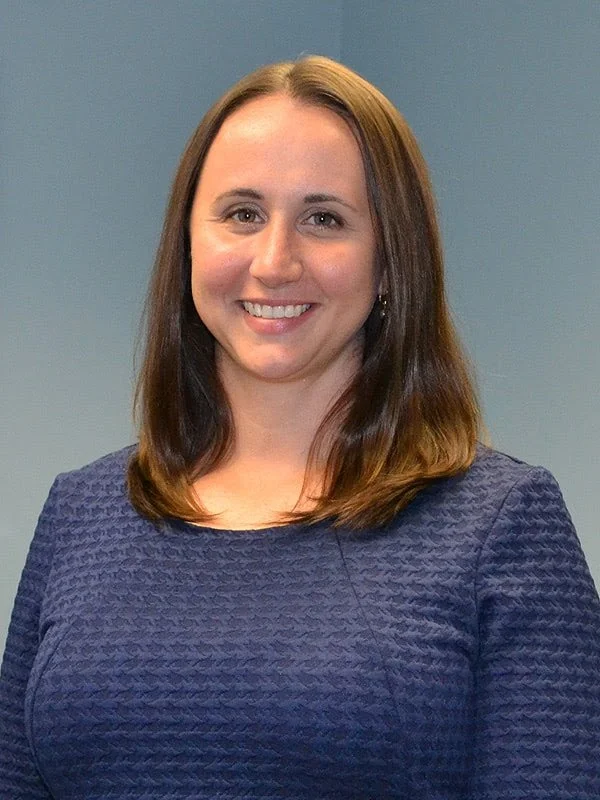
Dr Marina is a board-certified pediatric Dentists with over 10 years of experience treating children. She grew up north of Boston and loves calling the close community of the North Shore home. Dr. Marina had a wonderful pediatric dentist as a child and strives to create the same fun and compassionate environment for her patients. Dr. Marina believes in working with our patients and their families to create a positive dental experience and build patients’ confidence in the dental setting.
Dr. Marina graduated with a BA in Biology from Colby College and obtained her DMD at Tufts University School of Dental Medicine. While at Tufts, she participated in mission trips to Haiti and the Dominican Republic, where she fell in love with working with children. During her last year of dental school, Dr. Marina was awarded the Certificate of Merit American Association of Pediatric Dentistry Predoctoral Student Award, the Alpha Omega International Fraternity Excellence in Academic Achievement Award, and the Elenor J. Bushee Senior Student Award for Academic Excellence and Outstanding Leadership.
Dr. Marina then completed her pediatric dental residency at Boston University, where she gained significant experience treating children with special health care needs. After residency, Dr. Marina practiced for two years in Southern Maine before making the move back home to Massachusetts in 2016.
In her free time, Dr. Marina loves to travel, cook and listen to music. Dr. Marina is also a local Ipswich mom and loves spending time outside with her two young children. On the weekends, you can easily find her family and their Airedale, Finnie, exploring the beautiful trails and open spaces of the North Shore, and spending time along the Great Marsh, fishing, boating and swimming.
Dr. Marina is a Diplomate of the American Board of Pediatric Dentistry and an active member of the American Academy of Pediatric Dentistry, American Dental Association, Massachusetts Academy of Pediatric Dentistry and the North Shore District Dental Society.
